Many autistic adults recognize overload only after it has become impossible to ignore. You may suddenly lose access to words, become unusually irritable, need to escape, shut down, or feel as though one more demand will cause everything to collapse. From the outside, the reaction may appear sudden. Inside your nervous system, however, pressure has probably been accumulating for hours—or even days.
The purpose of this lesson is not to teach you to tolerate unlimited stress. It is to help you notice your personal warning signs sooner, while you still have enough capacity to make a choice.
Watch first
Recognizing and Responding to Emotional Overload
As you watch, notice which descriptions sound familiar. You do not need to remember everything; choose one signal you want to recognize sooner.
Overload is not a character failure
Overload occurs when the demands being placed on your nervous system exceed the resources currently available to meet them. Those demands may be emotional, social, sensory, cognitive, or physical. Often, several forms of stress arrive at the same time.
You might be managing fluorescent lighting, background conversation, an unexpected change in plans, uncertainty about what someone expects from you, hunger, poor sleep, and the effort of appearing calm. Each demand uses a portion of your available capacity. Eventually, there may be very little capacity left for conversation, problem-solving, flexibility, or self-control.
This shift matters. Shame consumes additional energy. Accurate observation gives you information you can use.
Your early signals may be subtle
Before overload reaches a breaking point, your body and behavior usually send smaller signals. These signals are different for everyone, and they may not feel obviously emotional.
Physical signals
- Tightness in your jaw, shoulders, hands, or stomach
- A headache, sudden fatigue, feeling hot, or changes in breathing
- Greater sensitivity to sound, light, touch, smell, or movement
- Feeling restless, trapped, heavy, disconnected, or uncomfortable
Mental signals
- Difficulty finding words or understanding spoken information
- Repeating the same thought without reaching a solution
- Needing greater certainty, structure, or control
- Struggling to make even small decisions
- Experiencing ordinary requests as additional pressure
Behavioral signals
- Speaking more sharply, quickly, loudly, or literally than usual
- Withdrawing, going quiet, or avoiding messages
- Increasing repetitive movements or seeking familiar routines
- Trying to finish everything immediately so the pressure will stop
- Feeling an urgent need to leave, cancel, hide, or be alone
Use a five-level overload scale
A scale makes an invisible experience more concrete. You do not need to identify the perfect emotion. You only need to estimate how much usable capacity remains.
The best time to intervene is usually Level 2 or Level 3. At those levels, you may still be able to lower stimulation, clarify a demand, ask for time, eat, rest, move your body, or postpone a difficult conversation.
Respond to the level—not the ideal
When you are at Level 4, expecting yourself to communicate as though you are at Level 1 creates more pressure. Regulation means matching the response to your current capacity.
A pause is most effective when it includes a plan to return. This helps other people understand that you are regulating—not disappearing or refusing to care.
Words you can use
You do not need to invent perfect language while overloaded. Prepare short scripts when you are calm and keep them available on your phone.
“My capacity is getting low. I can continue, but I need us to handle one thing at a time.”
“I understand that this matters. I’m having trouble processing spoken information right now. Please write down the main point.”
“I’m too overloaded to respond constructively. I need thirty minutes without conversation. I will come back at 7:30.”
“I expected to be able to do this, but my capacity has changed. I need to shorten the visit or reschedule.”
These statements describe your current capacity, name what you need, and—when possible—explain what happens next.
Short exercise
Create your overload map
Think of a recent time when you became overwhelmed. Work backward from the breaking point and identify what happened earlier.
Key takeaways
- Overload is a capacity problem, not a moral failure.
- The reaction may look sudden even when pressure has been building for hours.
- Your earliest signals may be physical, cognitive, sensory, or behavioral.
- Intervening at Level 2 or 3 is easier than waiting for the breaking point.
- A clear pause protects relationships better than forced communication while flooded.
- The goal is not unlimited tolerance. It is earlier recognition and more effective choice.
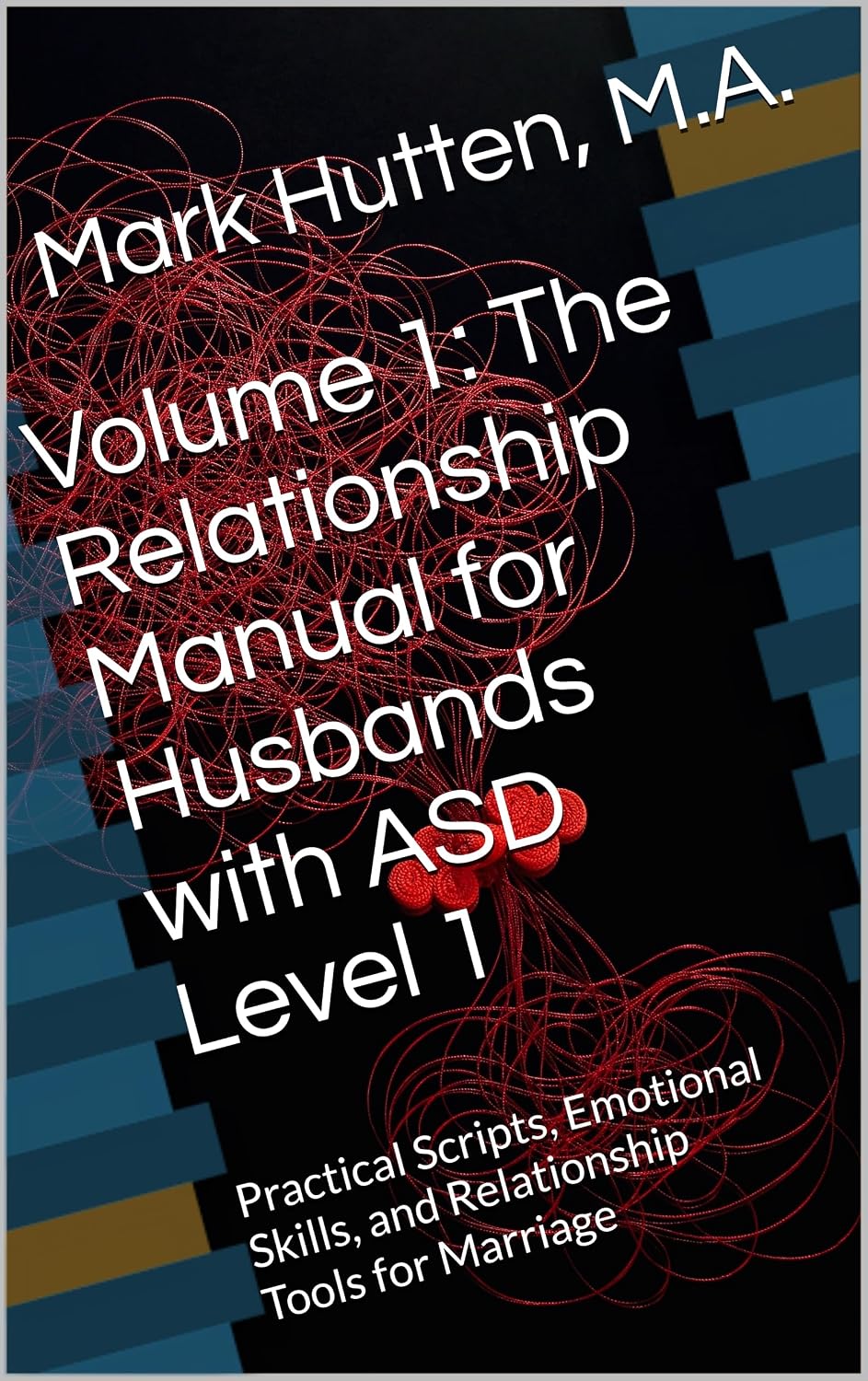
Recommended resource
The Relationship Manual for Husbands with ASD Level One
Continue building practical emotional skills with clear scripts and relationship tools designed to make difficult moments easier to understand and navigate.
View the book on Amazon
Individual support
Book a Private Coaching Session
Work privately with Mark Hutten, M.A., to apply these emotional-regulation tools to your specific relationships, challenges, and goals.
Schedule a private session