Emotional regulation is hardest when you need it most. During overload, you have less access to memory, language, planning, and flexible thinking. A personal regulation plan moves important decisions out of the crisis and into a calmer moment.
The plan is not a list of techniques you are required to perform. It is a practical reference that explains your warning signs, helpful responses, communication language, and recovery needs. It should be short enough to use, specific enough to guide action, and flexible enough to change as you learn.
Watch first
Recognizing and Responding to Emotional Overload
As you watch, identify the earliest overload signals and most reliable responses you want to include in your personal regulation plan.
Why generic advice often fails
“Take a deep breath” may help sometimes, but regulation depends on the cause and intensity of distress. A sensory problem may require reduced input. An unclear demand may require information. A trigger may require orientation to the present. Severe flooding may require stopping all discussion. A good plan matches the response to the state.
Create four regulation zones
Each zone needs observable signs. “Stressed” may be too vague. “Rereading messages, rubbing my hands, speaking faster, and becoming unable to choose” gives you something concrete to notice.
Choose strategies by function
Organize strategies according to what they accomplish rather than whether they are considered calming.
Reduce input
Headphones, lower light, fewer people, comfortable clothing, silence, leaving a crowded environment.
Increase predictability
Written steps, schedules, clear deadlines, advance notice, knowing what will remain unchanged.
Support the body
Food, hydration, sleep, temperature change, movement, pressure, medication as prescribed.
Reduce decisions
Two choices instead of ten, familiar meals, postponing optional tasks, one priority at a time.
Protect communication
Prepared scripts, text instead of speech, a pause signal, limited topics, scheduled return.
Restore connection
Clear reassurance, repair, shared quiet, predictable check-in, low-demand companionship.
Include only strategies you can realistically access. If a technique requires privacy you rarely have, identify an alternative. If you cannot remember language while flooded, put the script on your phone, desk, or wallet.
Your plan can include other people
Support works best when people know what helps before a crisis. Another person may lower their voice, stop asking questions, provide written information, protect a quiet space, or remind you of an agreed pause. They should not be expected to regulate your nervous system for you, but they can avoid adding unnecessary pressure.
Share only what is appropriate for the relationship. A partner may need the full plan. A supervisor may only need to know the workplace accommodation or communication request.
Course integration exercise
Build your personal regulation plan
How to use the plan
Review it weekly at first, not only after something goes wrong. Practice saying the scripts aloud or sending them as a sample text. Ask whether each strategy is available in the places you most often become overloaded. After an incident, change one part of the plan rather than rewriting everything.
The plan is a living document. Greater awareness may reveal earlier signals. A new job, relationship, health change, or period of burnout may change your capacity. Adaptation is not failure; it is accurate self-management.
What progress actually looks like
Progress does not mean never becoming overwhelmed. It may mean noticing overload ten minutes earlier, speaking one clear sentence instead of arguing for an hour, recovering in one evening instead of three days, or repairing without collapsing into shame. These changes are meaningful.
Course takeaways
- Overload is a capacity problem, not a character judgment.
- Emotions can be understood through context, body clues, action urges, broad families, and needs.
- Triggers, current stressors, sensory demands, and accumulated load require different responses.
- During flooding, stabilization comes before problem-solving.
- Space protects connection when it includes reassurance, specificity, and a reliable return.
- Recovery restores capacity; repair addresses impact and changes the future plan.
- A personal regulation plan turns insight into actions you can access when thinking becomes difficult.
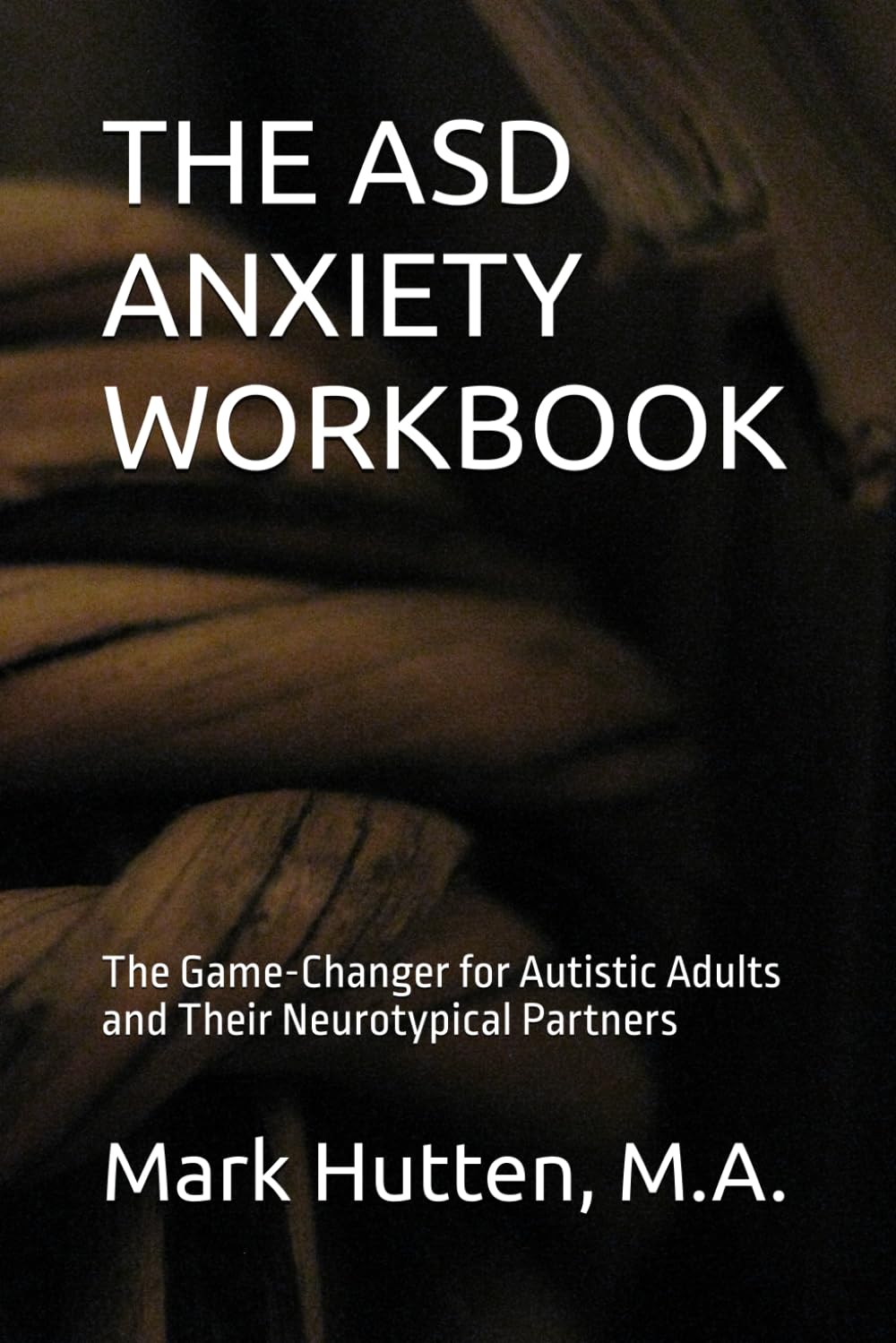
Recommended resource
The ASD Anxiety Workbook
The Game-Changer for Autistic Adults and Their Neurotypical Partners. Extend your regulation plan with guided exercises for identifying anxiety patterns, reducing nervous-system pressure, communicating needs, and developing practical responses for everyday life and relationships.
View the book on Amazon →
Individual support
Book a Private Coaching Session
Refine your personal regulation plan with Mark Hutten, M.A., and apply it to the situations that matter most.
Schedule a private session →