After a shutdown, meltdown, or intense conflict, you may want the entire event to disappear. Your body may feel depleted, painful, numb, embarrassed, or highly sensitive. You may replay what happened, fear another person’s judgment, or rush to apologize before you fully understand the impact.
Recovery and repair are related, but they are not the same process. Recovery helps your nervous system regain capacity. Repair addresses what happened between people. Attempting repair before recovery may produce another round of defensiveness, confusion, or overload.
Watch first
Recovering After a Shutdown, Meltdown, or Conflict
As you watch, notice the difference between restoring nervous-system capacity and repairing the relational impact of what happened.
Understand the aftermath
A significant nervous-system event can leave an “afterburn.” Speech, decision-making, sensory tolerance, and emotional awareness may remain reduced even after the visible crisis ends. You may need sleep, food, hydration, quiet, predictable activity, or reduced expectations. Recovery time is not laziness; it is part of the event.
Shutdown and meltdown are not identical. Shutdown often involves reduced movement, speech, emotional access, or response. Meltdown may involve visible distress, crying, shouting, pacing, or loss of behavioral control. Both signal that demand exceeded capacity. Neither removes responsibility for harm, but neither should be treated as deliberate misconduct without considering context.
Use the right sequence
Why shame interferes with learning
Healthy remorse says, “My behavior had an impact, and I want to address it.” Shame says, “The event proves that I am defective.” Shame often leads to hiding, denying, overexplaining, self-punishment, or promising that the event will never happen again. These reactions may look accountable, but they do not produce a usable prevention plan.
Compassion and accountability can exist together. You can say, “My nervous system was overwhelmed” and “The words I used were hurtful.” The first statement provides context. The second recognizes impact. Neither cancels the other.
Use the R.E.P.A.I.R. process
A repair does not require agreement about every detail. It requires enough shared reality to recognize impact and enough structure to reduce repetition.
Repair scripts
“I was overloaded, but speaking to you that way was not acceptable. I understand that it felt hostile. Next time I will use my pause sentence when I reach Level 3.”
“I lost access to speech and could not explain what was happening. I understand that my silence felt frightening. I will keep a written shutdown card available so you know I am safe and will return.”
“I do not remember every detail, and I do believe that you were affected. Tell me the main thing you need me to understand. I will listen without debating the sequence.”
“I want to address the impact, and I am not regulated enough to do it well today. I will initiate the conversation tomorrow at 10:00.”
Real-life examples
Relationship example
After a loud argument, Lee immediately apologizes repeatedly and asks whether the relationship is okay. Lee’s partner is still hurt and feels pressured to provide reassurance. Using R.E.P.A.I.R., Lee waits until both are calmer, acknowledges the raised voice, reflects that it felt intimidating, and proposes using a written Level 3 signal before future discussions escalate.
Workplace example
After shutting down in a meeting, Avery avoids colleagues for two days. A clearer repair is brief: “I experienced processing overload and stopped responding. I understand that left the team without information. For future high-stakes meetings, I will request the questions in advance and identify a colleague who can pause the discussion if speech becomes unavailable.”
Interactive exercise
Create your recovery-and-repair plan
Key takeaways
- Recovery restores nervous-system capacity; repair addresses relational impact.
- Recovery may continue after visible distress has ended.
- Context explains behavior without erasing responsibility.
- Shame reduces learning; specific accountability improves it.
- Use R.E.P.A.I.R.: regulate, explain briefly, perceive impact, accept your part, identify change, and reconnect.
Recommended resource
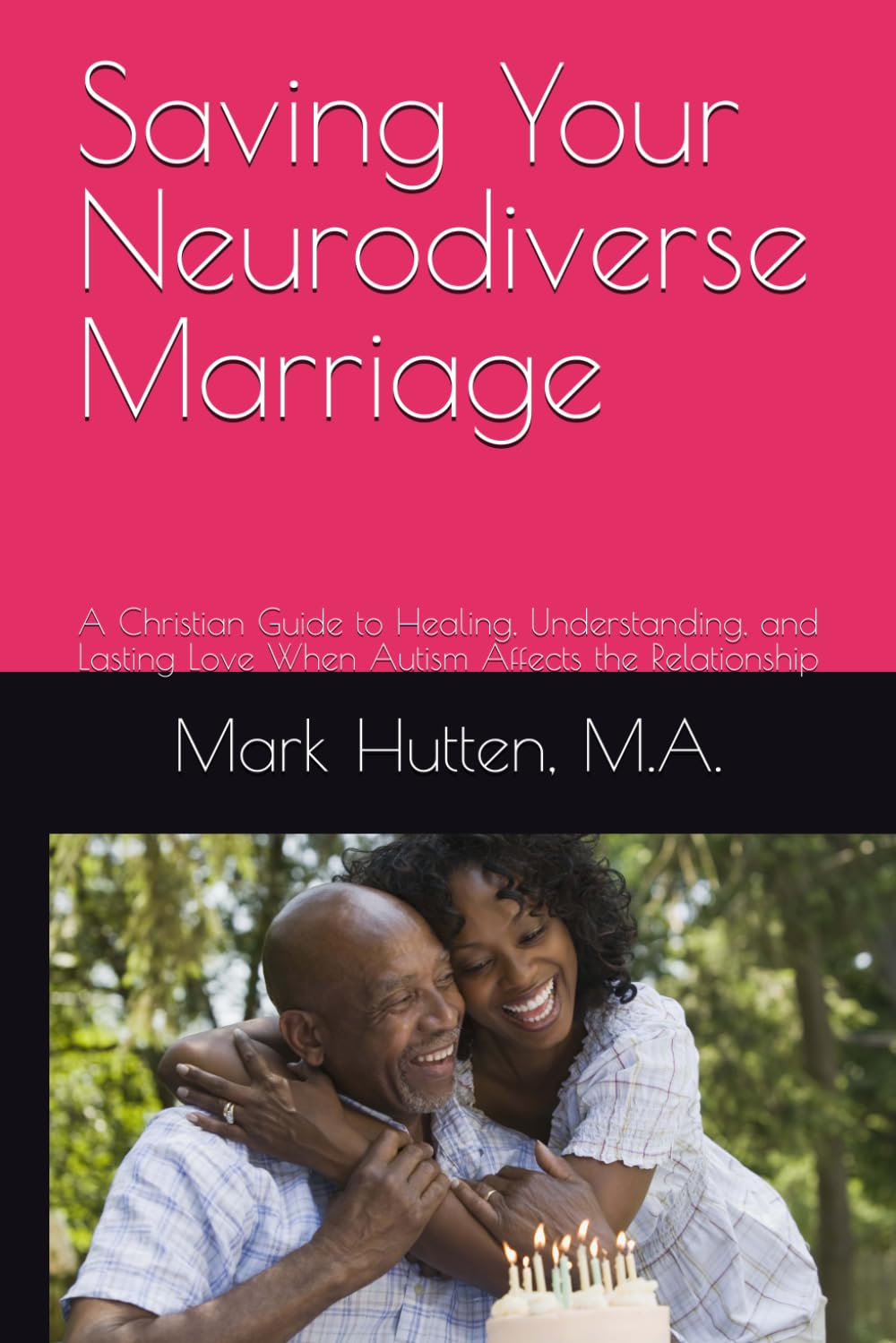
Saving Your Neurodiverse Marriage
A Christian Guide to Healing, Understanding, and Lasting Love When Autism Affects the Relationship. Continue developing the understanding, accountability, communication, and repair practices that help neurodiverse couples recover from painful patterns and rebuild connection.
View the book on Amazon →
Individual support
Book a Private Coaching Session
Create a recovery and repair process that fits your nervous system and your most important relationships.
Schedule a private session →