You are managing the day reasonably well. Then someone changes a plan, asks one more question, touches you unexpectedly, or uses a particular tone of voice. Your reaction is much stronger than the event seems to justify. You may become angry, panicked, confused, unable to speak, or desperate to leave.
It is tempting to conclude that the final event caused the entire reaction. Often it did not. It may have been an emotional trigger, the last addition to an already full stress bucket, or both. Emotional regulation becomes easier when you identify the different sources of pressure instead of treating every intense response as the same problem.
Watch first
Recognizing Triggers and Sensory Overload
As you watch, consider whether your strongest reactions usually come from one obvious event or from several pressures accumulating before the final event occurs.
Four different sources of pressure
1. Emotional triggers
A trigger is a present event that activates a meaning, memory, or protective response connected to an earlier experience. The current situation may resemble a time when you felt criticized, controlled, rejected, humiliated, unsafe, powerless, or misunderstood. Your nervous system responds not only to what is happening now, but also to what the event has come to represent.
2. Present-day stressors
A stressor is a current demand that requires physical, cognitive, social, or emotional resources. Deadlines, financial problems, disrupted sleep, conflict, illness, caregiving, unclear instructions, decision-making, and changes in routine are all stressors. A stressor does not need to connect to the past to be genuinely difficult.
3. Sensory load
Sensory load is the amount of sensory information your nervous system is processing. Sound, light, temperature, clothing, movement, smell, pain, hunger, visual clutter, and physical proximity can all consume capacity. Sensory distress may create anxiety or irritability, but it is not necessarily caused by an emotional belief. Sometimes the environment is simply too loud, bright, crowded, hot, or unpredictable.
4. Accumulated load
Accumulated load is the combined effect of multiple demands over time. Each demand may seem manageable by itself. Together, they reduce your ability to adapt, communicate, tolerate uncertainty, and regulate emotion. Load can accumulate across a day, a week, or a prolonged season of life.
The stress-bucket model
Imagine that your available capacity is a bucket. Every demand adds something to it. Sleep loss adds water. Masking at work adds water. Traffic, hunger, fluorescent lighting, uncertainty, conflict, and unfinished tasks add more. Regulation and recovery create space by allowing some of that water to drain.
The size of the bucket can also change. Illness, grief, burnout, poor sleep, pain, hormonal changes, and prolonged anxiety may temporarily reduce capacity. A strategy that worked last month may be insufficient today because the starting conditions are different.
The last straw is not the whole story
Suppose a coworker moves an item on your desk and you react sharply. Focusing only on the moved item may produce the conclusion, “I became furious over something insignificant.” A fuller review may show that you slept four hours, skipped lunch, attended three unstructured meetings, tolerated construction noise, and received an ambiguous email from your supervisor. The moved item was the final demand, not the entire cause.
This distinction supports accountability without shame. You can acknowledge that speaking sharply affected the coworker while also learning what made the reaction more likely. Accountability asks, “What impact did my behavior have, and how can I respond differently?” Shame says, “This reaction proves something is wrong with me.” Only the first question produces useful information.
Common autistic stress patterns
Unexpected change
A change is not merely a new fact. It may require abandoning a mental plan, predicting new steps, adjusting sensory expectations, and making additional decisions. Even a positive change can require substantial regulation.
Unclear expectations
Ambiguity creates ongoing cognitive work. If you do not know what someone wants, when something will happen, or how success will be judged, your mind may continue scanning for possible errors.
Social performance
Monitoring facial expression, tone, eye contact, timing, implied meaning, and other people’s reactions can consume capacity even when an interaction goes well. You may feel the cost only afterward.
Demand stacking
One request is followed by another before the first has been processed. The issue may not be unwillingness. The nervous system may need completion, predictability, or recovery before switching tasks.
Loss of control or choice
Feeling trapped can intensify stress rapidly. A demand may become more manageable when you have information, options, a clear endpoint, or permission to pause.
Match the response to the cause
Different sources of pressure require different responses. Trying to reason your way out of sensory overload may fail because the environment, not your interpretation, needs to change. Leaving the room may reduce sensory pressure but may not resolve a trauma-related meaning that continues to feel threatening.
You do not need absolute certainty before acting. Choose the most likely source, try a low-risk response, and observe whether the intensity changes.
Words you can use
“My reaction is stronger than this one issue because my capacity was already low. I need to pause before we address it.”
“I want to continue this conversation, but I can’t process it with the television and background noise. Can we move somewhere quieter?”
“I can adjust, but I need a few minutes to replace the plan I was already following. Please tell me what is changing and what is staying the same.”
“Uncertainty is using a lot of my capacity. Which part is most important, and when do you need it?”
“That wording activated an old expectation that I’m about to be criticized. I want to check whether that is what you mean before I respond.”
“I am close to overload. I can do this tomorrow, or I can help with a smaller part today. I cannot take on the whole task right now.”
Real-life examples
Relationship example
Taylor’s partner changes dinner plans at the last minute. Taylor becomes angry and says, “You never consider me.” A later review identifies four layers: the restaurant will be louder than expected, Taylor has not eaten, a planned routine has disappeared, and last-minute changes have previously meant Taylor’s preferences did not matter.
Workplace example
Jordan receives a vague request while working under bright lights after several meetings. Jordan freezes and does not reply. The manager assumes avoidance. Jordan identifies sensory depletion, task-switching, and unclear expectations rather than a lack of motivation.
Interactive exercise
Create a trigger-and-stressor map
Choose a recent intense reaction. Work backward with curiosity rather than judgment.
Key takeaways
- A trigger, a current stressor, sensory overload, and accumulated load are related but not identical.
- The final event may be the last addition to a full stress bucket rather than the full cause.
- Unexpected change can require multiple hidden cognitive and sensory adjustments.
- Match your response to the likely source: change the environment, clarify the demand, address the meaning, or reduce accumulated load.
- Understanding the cause does not erase accountability; it makes a more effective response possible.
- The goal is not to eliminate every trigger or stressor. It is to recognize patterns earlier and respond with greater choice.
Recommended resource
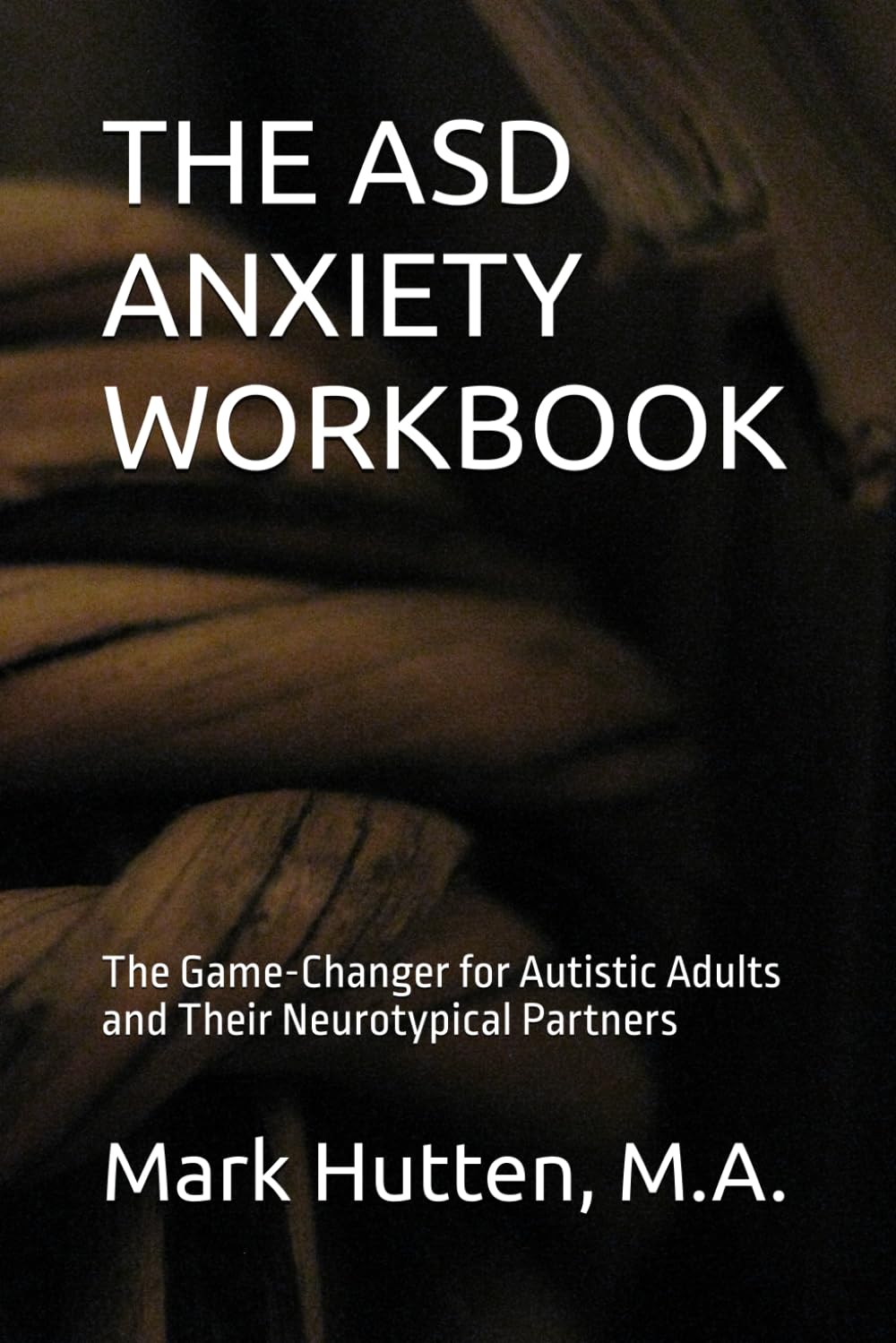
The ASD Anxiety Workbook
The Game-Changer for Autistic Adults and Their Neurotypical Partners. Continue exploring anxiety, nervous-system activation, triggers, and practical strategies for reducing distress in everyday life and relationships.
View the book on Amazon →
Individual support
Book a Private Coaching Session
Work privately with Mark Hutten, M.A., to identify your patterns and build regulation strategies for your specific relationships, workplace, and daily life.
Schedule a private session →